

Premier League Teams: What Makes Each Club Stand Out
Few leagues grab your attention as quickly as the Premier League. The pace is sharp, the stadiums are loud, and the clubs carry global followings that make every weekend feel bigger.
Still, Premier League teams are more than famous names on a table. Each one has its own story, style, pressure, and fan culture. If you're new to the league, or only watch big matches now and then, this guide makes the differences easier to spot.
How Premier League teams differ from each other
At first glance, clubs can look similar. They all play in the same league, share the same rules, and chase the same points. Yet they often feel miles apart because history, money, city pride, and long-term planning shape them in different ways.
Some clubs grow through huge spending and top-end talent. Others build through smart scouting, academy players, and a tight team structure. Even ownership style matters, because patient planning creates one kind of club, while short-term pressure creates another.
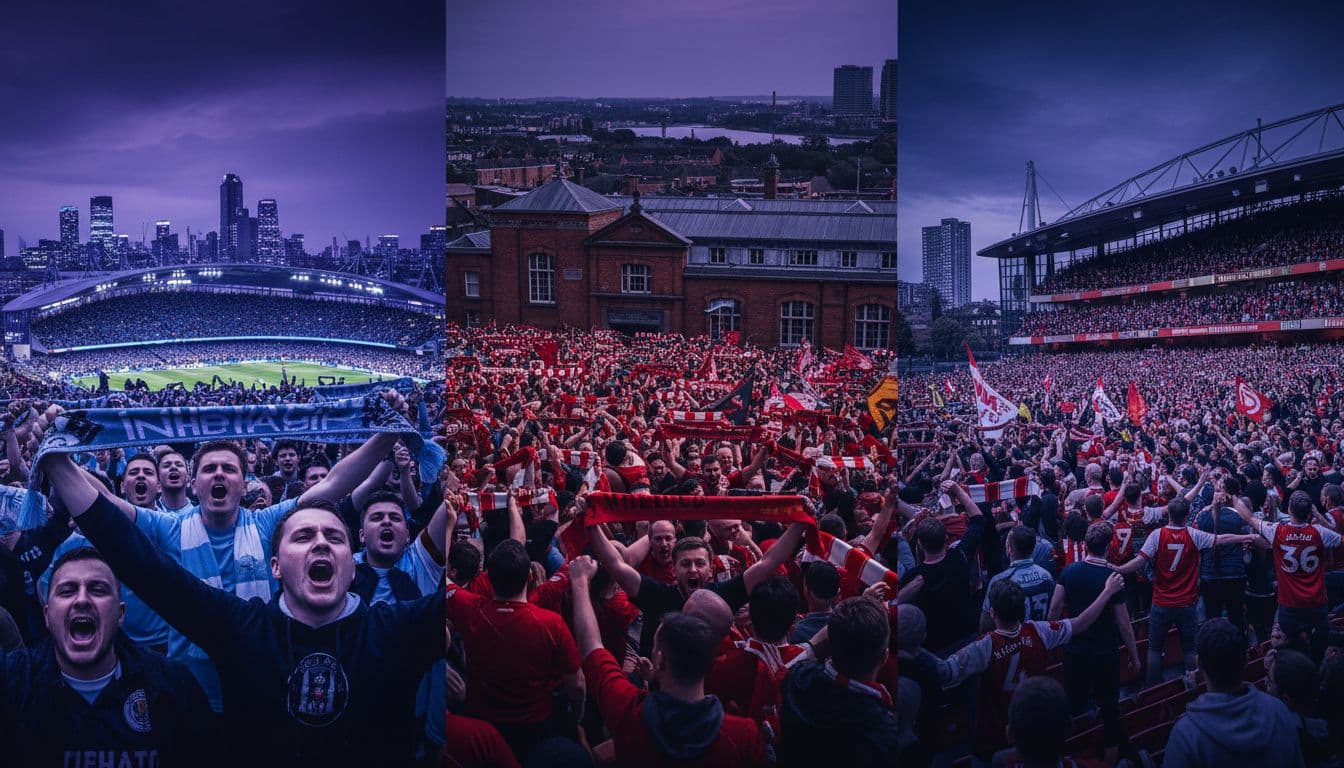 ### Club history, local identity, and rivalries shape the fan experience
A club's city often tells you a lot. Teams from major cities may carry national attention, while others reflect local pride first and global reach second. In many cases, supporters still see the club as part of the area's identity, not only a sports brand.
That feeling gets stronger through rivalries. Local derbies and old grudges can turn an ordinary league game into something tense and personal. For a wider look at how these matchups define clubs, this guide to each club's main rival is a helpful reference.
Playing style and squad depth often separate title contenders from the rest
Style matters because fans don't only follow results, they follow a feeling. One team may press high and win the ball fast. Another may keep possession and wear opponents down. A third may defend deep, stay compact, and break forward with speed.
Over 38 matches, squad depth often becomes the difference. Stronger benches help teams survive injuries, cup runs, and busy winter schedules. That's why two clubs with similar first-choice lineups can finish far apart by spring.
The Premier League teams that usually lead the title race
The clubs that stay near the top usually share a few traits. They hire strong managers, recruit with a clear plan, and expect to win rather than hope to win. That mindset shows up over time, especially when a season gets stressful.
Manchester City, Arsenal, Liverpool, and Chelsea often set the standard
Manchester City have become the model for control, depth, and repeat success. Arsenal have built around a clear idea, younger core players, and a style that looks settled. Liverpool still command respect because of their intensity, crowd energy, and ability to turn matches quickly. Chelsea remain a major force because the talent level and expectations never stay small for long.
These clubs also live under constant pressure. A draw can feel like a setback, and a rough month brings headlines fast. That pressure is part of why they stay in focus, because every decision is judged at the highest level.
 ### Manchester United, Tottenham, and Newcastle remain key teams to watch
Manchester United are never far from the center of the league's conversation. The fan base is huge, the history is heavy, and every season carries big expectations. Tottenham also draw attention because they often sit close to the European race, even when they frustrate their own supporters. Newcastle matter for similar reasons, with strong backing, a passionate crowd, and growing ambition.
Size alone doesn't win matches, but it raises the noise level around every result. Old rivalries add to that heat. If you want one example of how history still shapes the present, this history of Manchester United vs Arsenal shows why certain fixtures always feel larger than the table.
The best Premier League teams don't only win big games, they stop one bad week from turning into a bad month.
Why mid-table and underdog teams make the league more exciting
If the title race were the whole story, the league would feel smaller. Instead, much of the drama comes from clubs outside the top four. A smart coach, a clear system, or one fearless afternoon can flip the script against richer opponents.
That unpredictability is the league's heartbeat. Mid-table sides can block a title push, spark a European chase, or change the mood of an entire season with one upset.
Brighton, Aston Villa, West Ham, and Brentford show different ways to compete
Brighton have earned praise for smart recruitment and brave football. Aston Villa have shown how coaching and belief can lift a club quickly. West Ham often mix physical play, big-match grit, and a crowd that pushes hard. Brentford, meanwhile, have gained respect through planning, clear ideas, and strong use of resources.
These clubs don't all follow the same path. That's the point. In the Premier League, there isn't one formula for progress.
 ### Promoted teams and relegation battles keep every match meaningful
Promoted clubs arrive with energy, risk, and hope. Some bring momentum and belief from the Championship. Others need to adapt fast because the speed and punishment level rise right away.
Late in the season, lower-table matches can feel as tense as title deciders. Survival changes budgets, player futures, and the mood of a whole club. That movement is part of what keeps the league alive year after year, and this list of Premier League clubs shows how many teams have moved through the division since 1992.
Picking a club doesn't have to be complicated. You can follow the team with the style you enjoy, the city that interests you, the star players you like, or the underdog story that feels worth backing.
The best choice is usually the one that keeps you watching. Give yourself a few matches, trust your fit, and let the club's identity pull you in.